Mountain living
Mountain Views, Room to Breathe: Choosing a Home in Western North Carolina
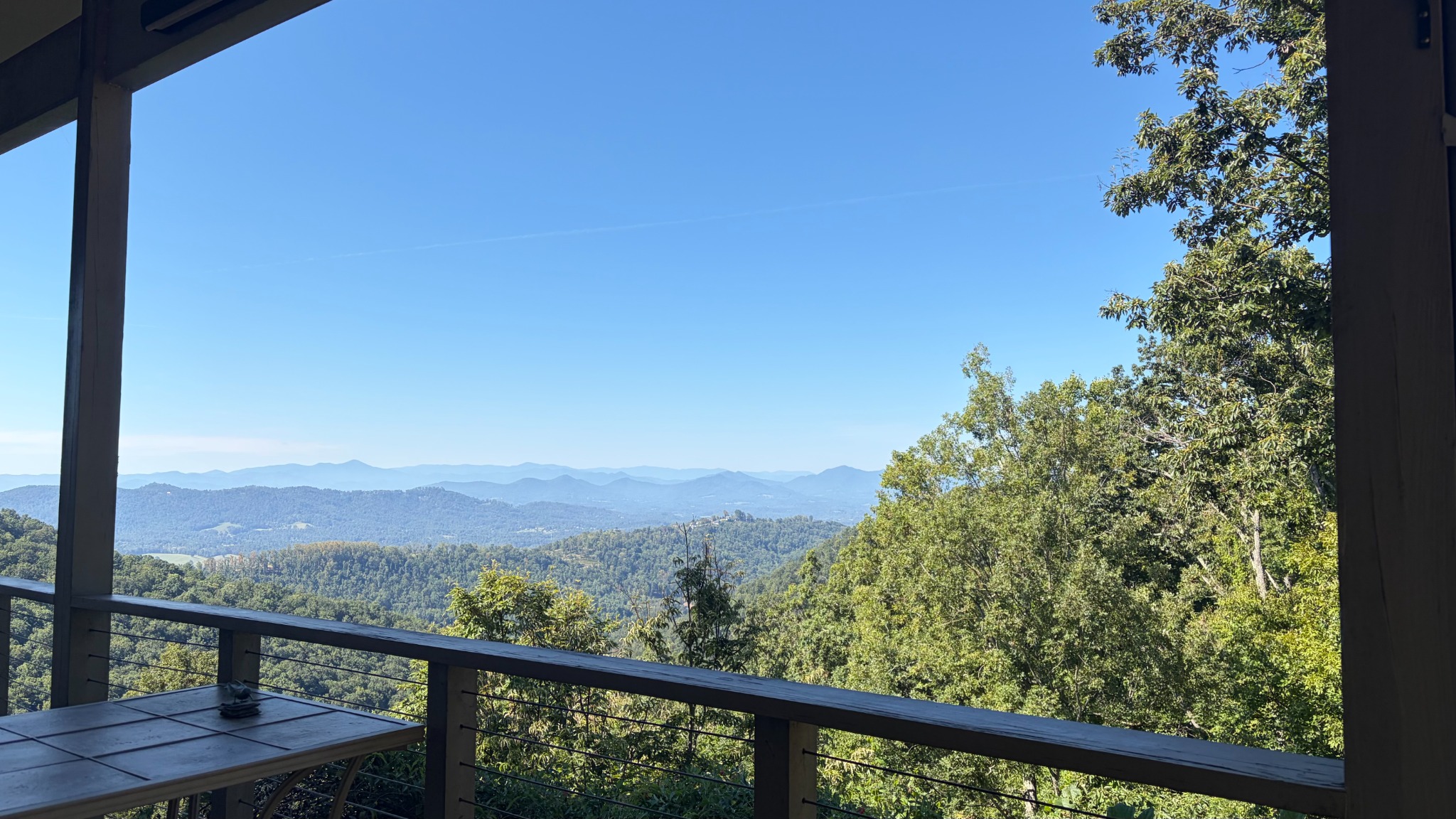
A long-range mountain view can change what you want from a home. Suddenly, the place to sit with your morning coffee matters as much as the kitchen. So does the view from the room where you spend an ordinary Tuesday evening.
Here in Western North Carolina, the appeal is easy to understand: a little room around you, mountains stretching into the distance, and a home that lets you enjoy the setting. We’re grateful to call this part of the world home.
The property description behind this story brings those ideas together: a mountaintop home on 12 acres, built in 2008, with passive solar features, a standing seam roof, and long-range mountain views. Those are details worth exploring. The useful question is how they work together—and whether they fit the life you want to live.
Look at the view from where you’ll live
Imagine reading beside a window, sharing supper outside, or taking a quiet moment after work. Those simple possibilities explain why a mountain view can mean more than a beautiful photograph.
During a visit, spend time in the rooms you would use most. Can you enjoy the mountains while sitting down, or only from one corner of the deck? Notice the direction of the light and where you would want shade.
Look beyond the view, too. Twelve acres may sound like plenty of room, but acreage alone doesn’t tell you how much ground suits a garden, outdoor gathering, or the other uses you have in mind. Walk appropriate portions of the property and review its boundaries and restrictions. Consider what is within your control and what lies on neighboring land before assuming the view or privacy will always stay the same.
Let the sunlight earn its place
Passive solar design gives buyers something useful to investigate beyond the scenery.
The U.S. Department of Energy explains that passive solar homes use their orientation, windows, heat-storing materials, and shading to manage sunlight and warmth. Think of sunlight entering a room in winter, with overhangs helping shade it in summer. That describes a design principle; it doesn’t establish how this particular home performs.
When a home is described as passive solar, ask how its features work together. Plans, an energy assessment, and utility history can help you look beyond the label.
The same care applies to “green built.” Asheville’s Green Built Alliance administers a certification program involving third-party inspection and testing. A home described as green built should not automatically be treated as certified. Look for documentation, and evaluate individual features—including the roof—on their actual condition and merits.
Make the everyday trip part of the visit
A mountaintop setting still needs to work on a weekday.
Drive the route you would take for groceries, work, and appointments. Look at the driveway, places to pass or turn around, and any arrangements for road maintenance. If you work from home, check service availability at the actual address.
Give the land and drainage the same attention. The North Carolina Geological Survey identifies steep mountain slopes as a setting where landslides are more common. That is a reason to investigate the site thoughtfully, with appropriate professional help—not a finding about the home described here.
The mountains may be what draw you in. Understanding the home, the land, and the daily routine helps you decide whether to stay.